
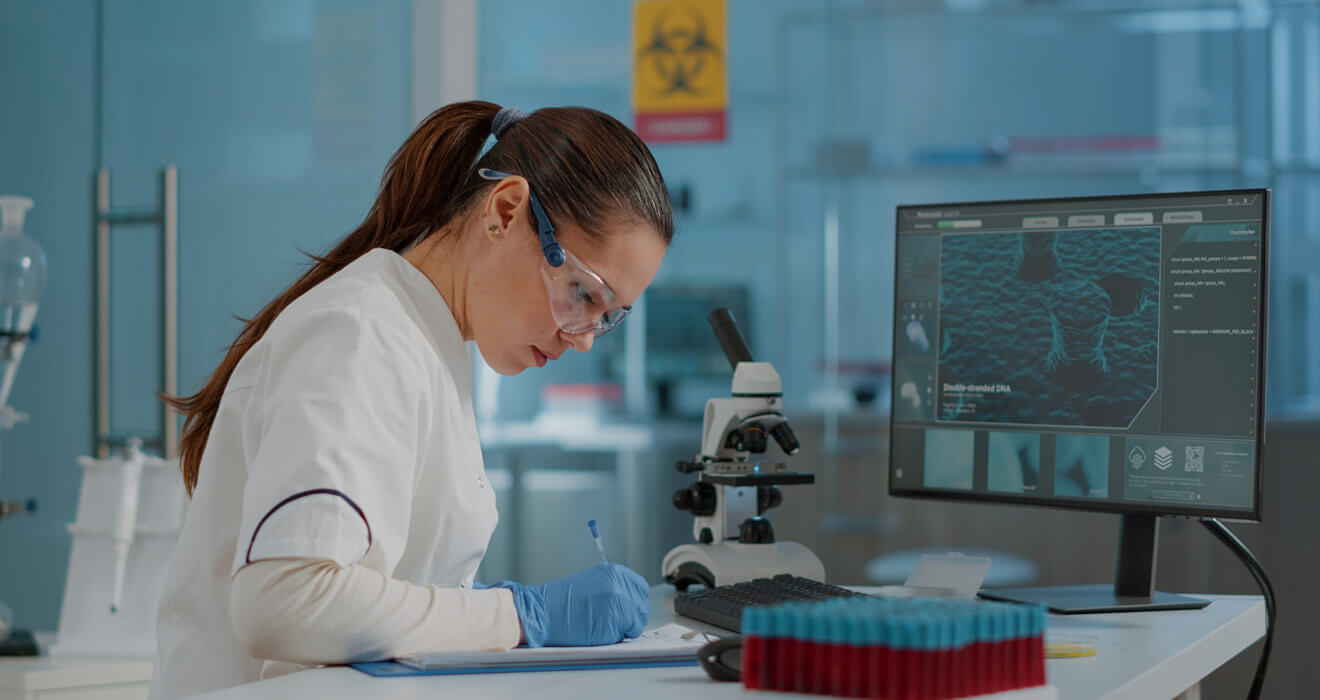
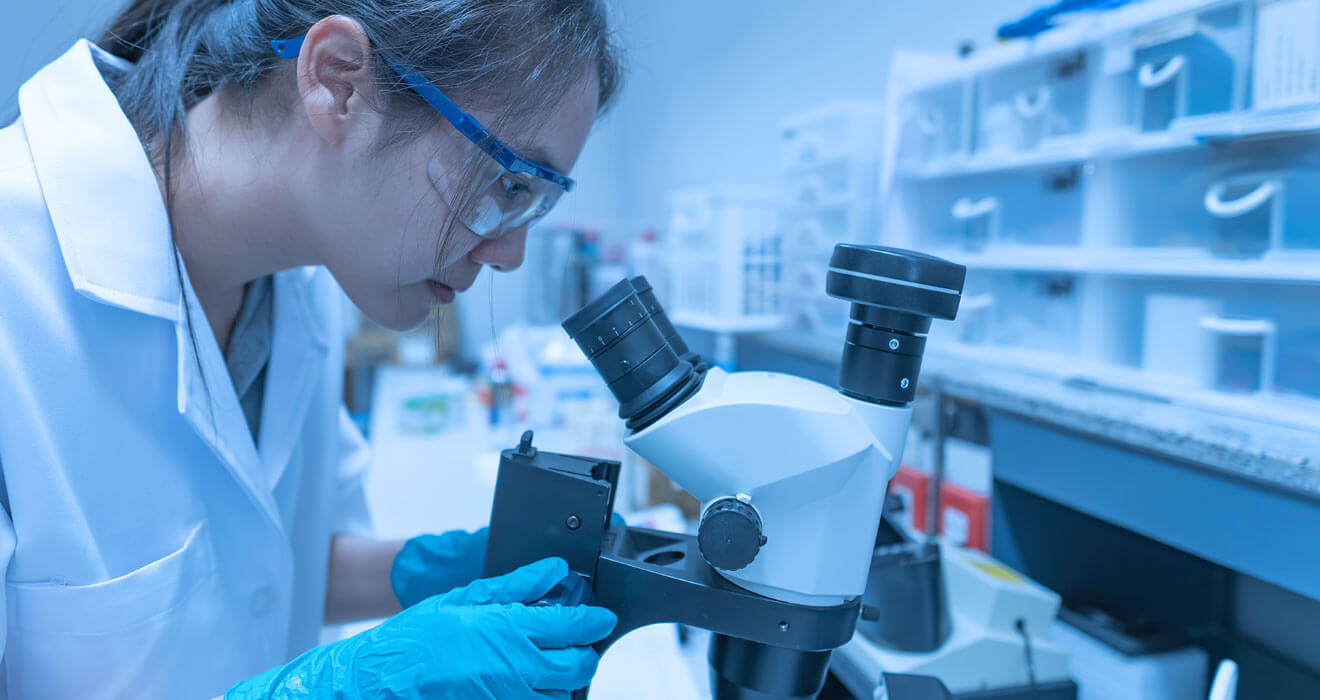
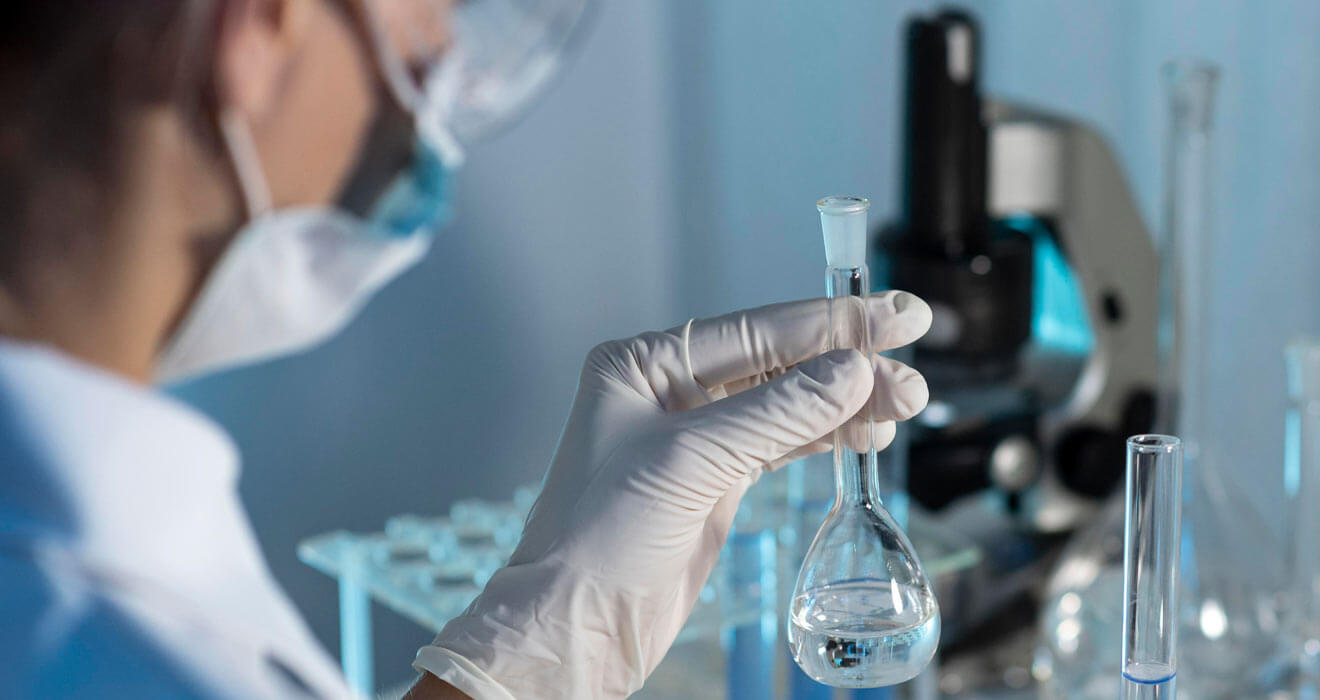
Autophagy, a natural cellular process that removes damaged components and recycles cellular material, plays a critical role in maintaining overall health. In recent years, scientific studies using mouse models have helped researchers better understand how autophagy affects aging, immunity, neurodegenerative disorders, and cancer development.
By studying autophagy mechanisms in mice, scientists can observe how cells respond to stress, infection, and disease in a controlled environment. These findings provide valuable insight into potential therapeutic strategies that may eventually be translated into safe and effective treatments for humans.
Few things you should know:
- Autophagy is the body’s natural system for clearing damaged cells and regenerating healthier ones.
- Mouse models allow researchers to safely study genetic and cellular changes related to disease.
- Impaired autophagy has been linked to conditions such as Alzheimer’s disease, Parkinson’s disease, and certain cancers.
- Enhancing autophagy in laboratory studies has shown potential to slow cellular aging.
- Preclinical mouse research helps identify drug targets before human clinical trials begin.
“Understanding autophagy in controlled animal models provides a powerful foundation for developing targeted therapies that may transform human healthcare.”
— Biomedical Research Specialist
Few trends that will define the future of the science.
Advances in molecular biology and genetic engineering are allowing scientists to manipulate autophagy-related genes in mice with increasing precision. Technologies such as CRISPR gene editing and advanced imaging systems help researchers observe how cellular recycling processes influence disease progression.
Additionally, pharmaceutical research is exploring compounds that can safely regulate autophagy activity. Early preclinical findings suggest that controlled activation or modulation of autophagy pathways may contribute to improved treatments for neurodegenerative disorders, metabolic diseases, immune dysfunction, and cancer.
Translational research — the bridge between laboratory findings and human medicine — continues to move these discoveries closer to clinical application.
Few Things To Know:
- Mouse models are essential for understanding complex human diseases at the cellular level.
- Studying autophagy provides insight into aging and chronic disease prevention.
- Drug candidates are first evaluated in preclinical models before human trials.
- Translational research ensures safety and effectiveness before therapies reach patients.
Autophagy research in mice represents an important step toward innovative treatments for human diseases. While additional research and clinical testing are required, these scientific advancements offer promising pathways toward improving long-term health outcomes and developing more precise, targeted medical therapies.
3 Comments
The Common category includes then following block: Paragraph, image, heading, latest gallery, quote, audio, cover, video. The paragraphs block is the default block type. This is should not have any and alignment of any kind. Category and then there are many things to following blocks and many more.
The Common category includes then following block: Paragraph, image, heading, latest gallery, quote, audio, cover, video. The paragraphs block is the default block type. This is should not to have any alignment of any kind.
The Common category includes then following block: Paragraph, image, heading, latest gallery, quote, audio, cover, video. The paragraphs block is the default block type. This is should not have any there alignment of any kind. Category and then there are many things too following blocks and many more.