
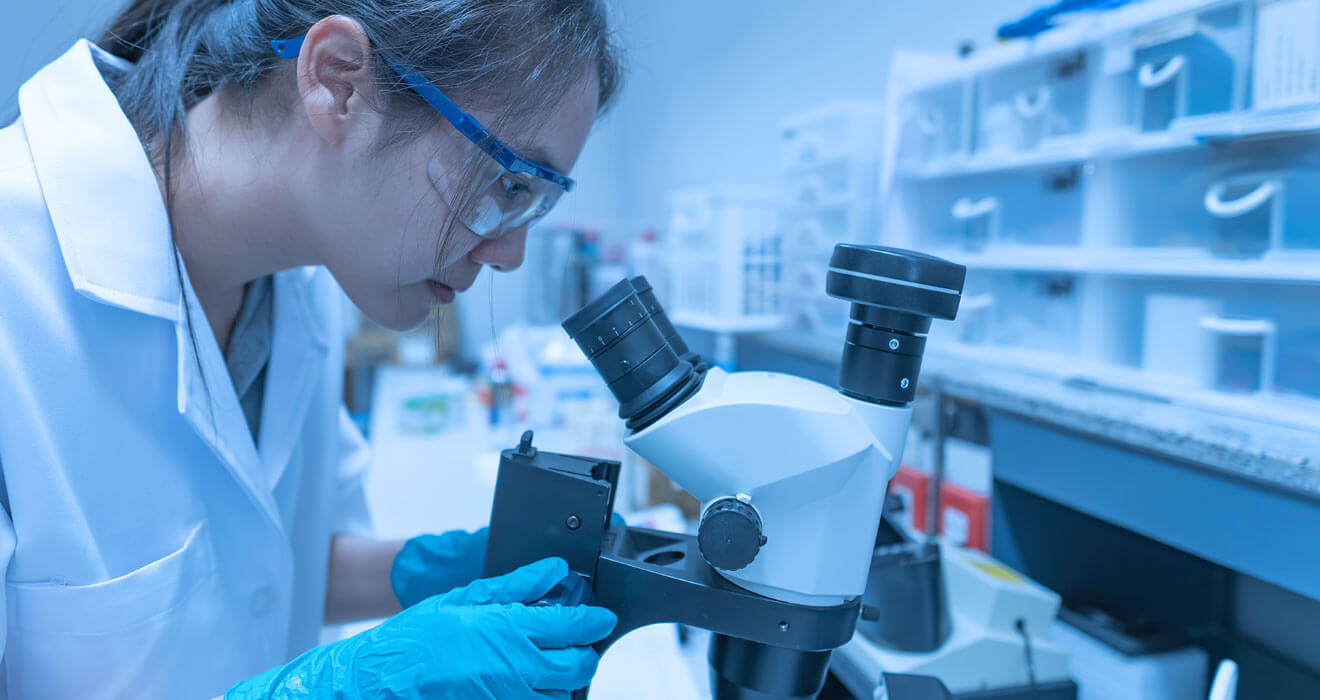
Laboratory science is rapidly evolving with advancements in biotechnology, automation, artificial intelligence, and molecular diagnostics. To prepare future professionals for these changes, a different and more innovative learning system is essential. Traditional teaching methods alone are no longer enough to meet the demands of modern laboratories.
A future-focused learning system must combine practical training, digital simulation, research-based thinking, and interdisciplinary collaboration. By integrating technology-driven education with hands-on laboratory experience, students can develop the technical skills, analytical mindset, and adaptability required for tomorrow’s scientific challenges.
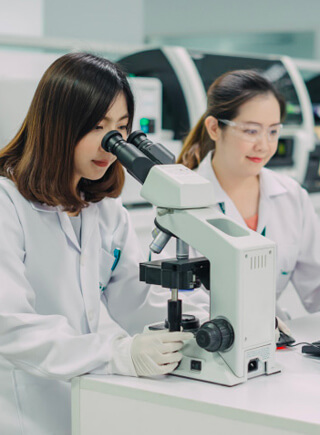
Few things you should know:
- Modern laboratory education should integrate digital simulations with hands-on practice.
- AI-powered tools can enhance data analysis and research training.
- Interdisciplinary learning prepares students for complex scientific problems.
- Research-based learning encourages critical thinking and innovation.
- Continuous skill development is essential in a rapidly evolving scientific field.
“The future of laboratory science depends not only on advanced equipment, but on how effectively we train the next generation of scientific minds.”
— Laboratory Education Specialist
Few trends that will define the future of the science.
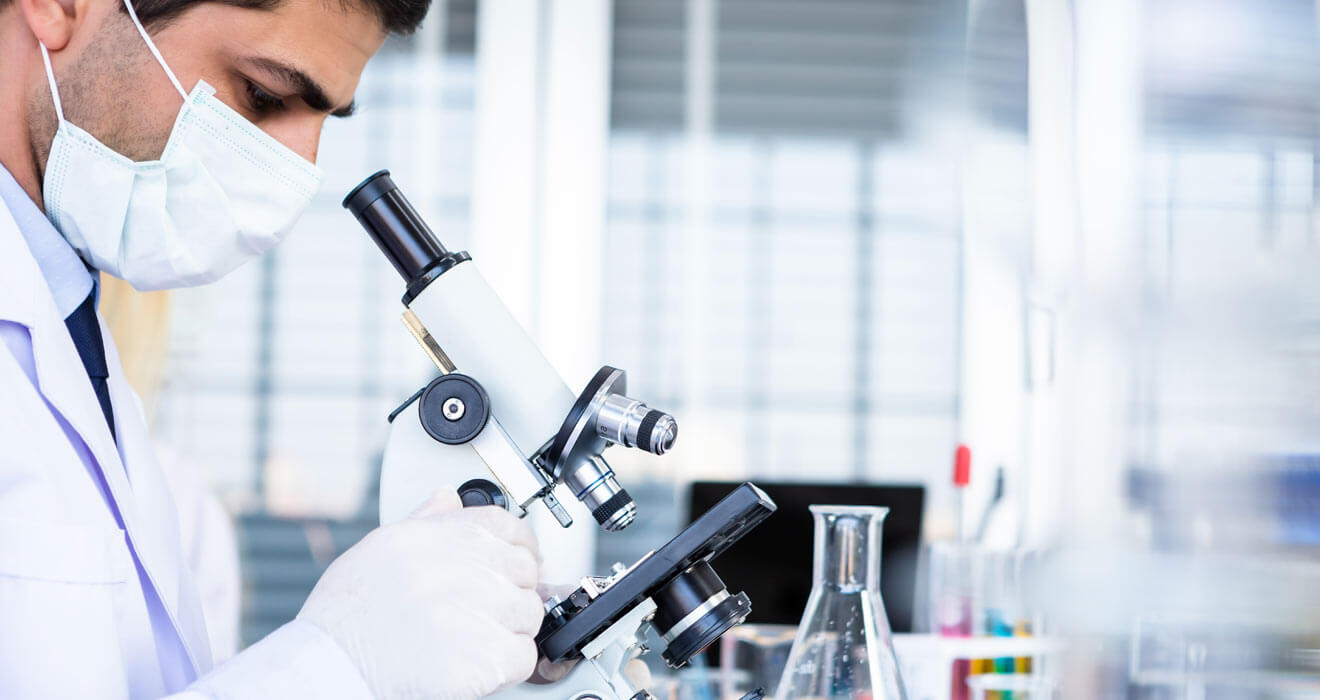
Emerging technologies are reshaping laboratory education. Virtual laboratories and augmented reality simulations allow students to practice techniques safely before entering real lab environments. Automation and robotics are becoming standard in diagnostics and research facilities, requiring learners to understand both biological science and digital systems.
Additionally, collaborative global research platforms are enabling students to participate in international projects remotely. Personalized learning models powered by data analytics can track progress and tailor instruction to individual strengths and weaknesses. These innovations are building a smarter, more adaptive system for laboratory science education.
Few Things To Know:
- Blended learning models combine online education with in-lab training.
- Exposure to real research projects improves practical competency.
- Technology literacy is becoming as important as scientific knowledge.
- Ethical and safety training remains a critical component of lab education.
Developing a different system to learn laboratory science is not just about modernization — it is about preparing future professionals to drive innovation, ensure accuracy, and contribute meaningfully to global scientific advancement. By transforming how laboratory science is taught today, we strengthen the foundation for tomorrow’s discoveries.
3 Comments
The Common category includes then following block: Paragraph, image, heading, latest gallery, quote, audio, cover, video. The paragraphs block is the default block type. This is should not have any and alignment of any kind. Category and then there are many things to following blocks and many more.
The Common category includes then following block: Paragraph, image, heading, latest gallery, quote, audio, cover, video. The paragraphs block is the default block type. This is should not to have any alignment of any kind.
The Common category includes then following block: Paragraph, image, heading, latest gallery, quote, audio, cover, video. The paragraphs block is the default block type. This is should not have any there alignment of any kind. Category and then there are many things too following blocks and many more.